
Building Smarter, More Responsive Hospital Operations
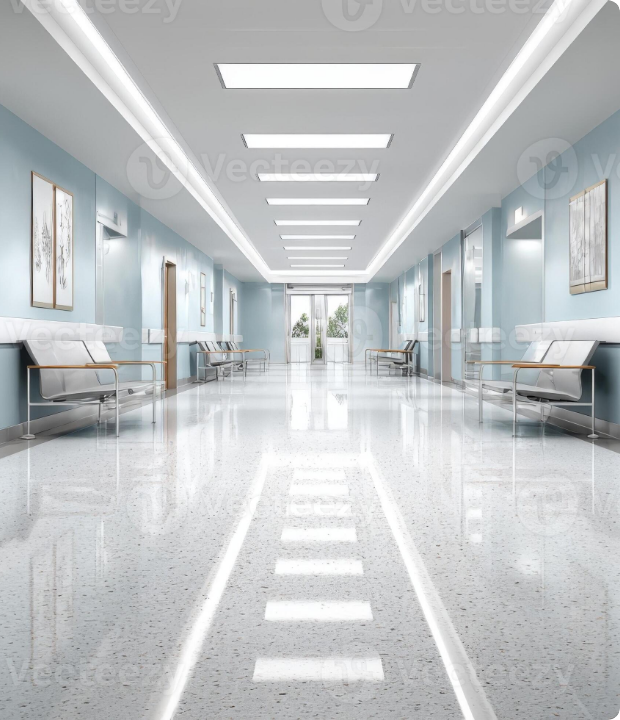
In healthcare we find the most complex environments for facilities and asset management. For example, they operate continuously. They contain highly specialised spaces and equipment. What’s more, they depend on facilities teams being able to respond quickly when something goes wrong.
In the first of a two-part post about healthcare, we illustrate how technology can respond to challenges faced.
For healthcare organisations, Computer-Aided Facility Management (CAFM) and Integrated Workplace Management Systems (IWMS) can provide a way to bring this complexity together — connecting space, maintenance, assets, service requests and operational information within a more unified digital environment.
Managing space beyond the floor plan
Hospital space is not simply a question of rooms and square metres. Clinical areas such as intensive care units, operating theatres, emergency departments, isolation rooms and radiology have very different operational requirements.
At the same time, hospitals need to manage extensive non-clinical space, including offices, stores, kitchens, staff areas, plant rooms and medical-gas infrastructure.
CAFM and IWMS technologies can provide a digital view of these environments, using tools such as CAD and BIM floor plans alongside occupancy information, zoning and move management. This gives facilities teams a clearer understanding of how space is being used and how changes to the estate may affect operations.
Keeping critical infrastructure operational in healthcare
Maintenance is another area where healthcare facilities cannot afford to rely solely on reactive processes.
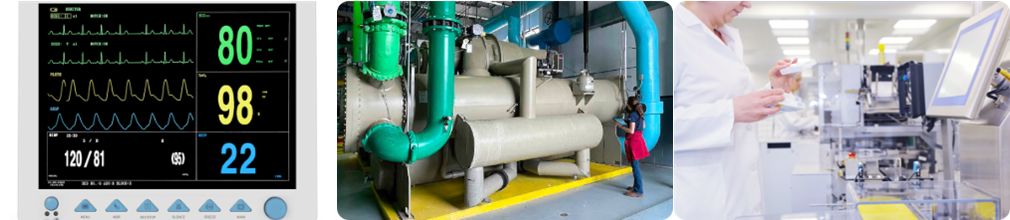
Critical infrastructure requires planned preventive maintenance alongside the ability to respond rapidly to failures. For example, chillers, air-handling units, medical air systems, generators, UPS systems, fire alarms and lifts.
A CAFM platform can automate maintenance schedules. It can allocate work and provide technicians with mobile access to work orders. What’s more, it can offer inspection checklists and parts information. When an urgent problem occurs, the same environment can support rapid response and escalation.
This creates a more joined-up approach: planned maintenance helps prevent problems, while structured reactive maintenance helps teams respond when they inevitably occur.
Connecting medical and physical assets in healthcare
In addition, healthcare presents two closely related asset-management challenges: the building infrastructure itself and the medical equipment used within clinical environments.
Medical assets such as patient monitors, ventilators, infusion pumps, ultrasound equipment and surgical equipment require accurate records and ongoing maintenance. Lifecycle information can include calibration, safety inspections, service contracts, warranties and breakdown history.
Bringing this information into a common digital environment gives facilities and clinical engineering teams a clearer picture of asset condition, maintenance requirements and operational history.
Supporting compliance and infection control
Healthcare facilities also operate in an environment where accurate records and inspection histories are essential.
Digital systems can bring together information relating to inspections, fire and life-safety features, room-pressure checks, isolation areas, equipment documentation and compliance records.
For facilities and safety teams, having this information accessible from a central system can make it easier to understand the current status of assets and environments and retrieve the documentation required for inspections and audits.
Part two of our look at FM technology healthcare sector will look at connecting data and the bigger picture.
In the meantime you can find our more about our implementation services on offer here
Leave a Reply